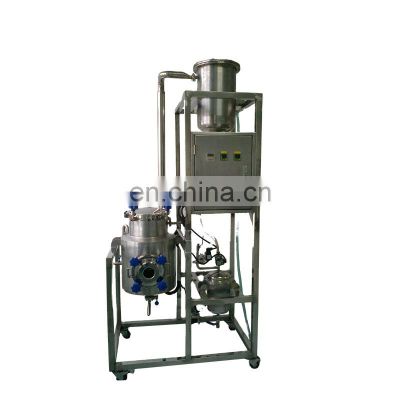
Plant Oil Insights & Buyer's Guide
In the category of oils, a certain one derived from plants catches the attention considering it can be used in a plethora of ways ranging from a cooking oil to a cosmetic oil. Plant oils comes from seeds, nuts and fruits which makes them rich in fatty acids and nutrients. As you learn about the advantages of these plant oils, it is guaranteed that your health and cooking will improve along with your skincare routine.
What is Plant Oil and How is it Different from Essential Oils?
Understanding the Chemical Composition of Plant Oils
The building blocks of triglycerides, which are esters of three fatty acids and glycerol, are plant oils. For this reason, plant oils, which include olive oil, sunflower oil, and coconut oil, are rich in nutrients and good for health, owing to their triglycerides. Plant oils differ from essential oils, which are plant extracts that are highly concentrated and are used for their scent; thus, plant oils are used for their nutritional value and as moisturizers. Such oils contain different fatty acids and provide diverse benefits such as decreasing inflammation and enhancing heart health.
Comparing Plant Oils and Essential Oils: Key Differences
Although plant oils and essential oils both originate from plants, their uses and methods of extraction differ. Plant oils such as vegetable and seed oils are obtained from the seeds, nuts, or the pulp of the plant and are beneficial in cooking and cosmetics due to their nutritional value. Essential oils are extracted from flowers, leaves, or bark and are used mainly for therapeutic and fragrance purposes, being more volatile and fragrant than plant oils. Knowing the differences is important to select the right oil for your needs, including aromatherapy and cooking.
How Plant Oils are Extracted from Seeds and Pulp
Plant oils can be extracted using various methods, each focused on maintaining the oil's inherent qualities as much as possible. One commonly used method is cold-pressed oil extraction, which involves the mechanical pressing of seeds or pulp at low temperatures. This method produces virgin oils such as extra virgin olive oil which retains its flavor and nutritional value. Another method, solvent extraction, uses chemicals to extract oil from the seeds. This method is more efficient than cold-pressing, but it can compromise the purity of the oil. Knowing these methods is important for choosing oils according to your preferences for unrefined and natural products.
How are Fats and Oils Extracted and Refined?
The Process of Cold-Pressed Oil Extraction
Cold pressing is a method of extracting oil from seeds or pulp by applying pressure at low temperatures, mechanical methods devoid of heat or chemicals. This steam-free technique is significant in maintaining the flavor, color, and nutritional value of the oil, hence preferred for premium oils like virgin olive oil. The cold-pressed oils have a high value of antioxidants along with a lesser potential for oxidation and rancidity, thus serving as a better choice for oils meant for cooking and cosmetics. Cold-pressed oils fully provide the advantages of plant oils.
Refining Plant Oils: Why it Matters
Refining plant oils is the process of removing undesirable substances to improve the shelf stability of the oil. Oils can undergo several refining steps such as degumming, neutralizing, bleaching, and deodorizing to produce an oil that is colorless and odorless, therefore suitable for a range of applications. While the consistency and usability of the oil may be enhanced through refining, some useful oil nutrients may be removed as well. It becomes paramount to find the right equilibrium between the need for the refined oils in high-temperature cooking and the unrefined, nutrient-rich oils used in salads and low-heat dishes.
Solvent Extraction: Pros and Cons
Solvent extraction uses chemical solvents to obtain oil from seeds and is popular in large scale production of vegetable oils. This process is both cost efficient and high yielding. However, some oil may be left with residual solvents which could change the flavor and nutrition profile of the oil. While oils retrieved through solvent extraction can be used in industrial and biodiesel purposes, people looking for less processed oils would prefer cold-pressed or expeller-pressed oils.
How to Choose the Right Cooking Oils for Your Needs?
Understanding the Different Types of Cooking Oils
The diverse selection of cooking oils available on the market can be beneficial to your health and culinary experience. Each oil is different when it comes to its properties, like smoke point, flavor, and nutritional content. For example, peanut oil and canola oil are great for frying due to having high smoke points, or robust flavor oils like virgin olive oil, which is great for dressing and low-temperature cooking. Knowing these differences will allow for the choice of the right oils based on kitchen requirements and dietary preferences.
When to Use Olive Oil, Peanut Oil, and Canola Oil
Olive oil, peanut oil, and canola oil have diverse properties that make them more appropriate in specific situations. Olive oil’s distinct flavor makes it beneficial for salads and pastas, sautéing, and also offers health benefits. Peanut oil is known for its high smoke point and is good for frying and stir-frying with a hint of nutty flavor. Canola oil, with its neutral taste, is good for baking, grilling, and frying. It offers a heart-healthy profile as well. Knowing when to take advantage of the distinct features that each oil offers can greatly refine your culinary skills.
Cooking with Soybean and Linseed Oil
Soybean and linseed oils offer heart and brain health benefits, along with incredible flavor to linseed oil and cooking soybeans. Soybean oil is beneficial for the heart as it contains polyunsaturated fats and vitamin E. Linseed oil is high in omega-3 fatty acids, thus it is great for brain health and inflammation. Due to its low smoke point, linseed oil comes as a finishing oil or is used in cold dishes. Making these oils part of your culinary art will enhance the beauty of soybeans and linseed oil.
What Are the Cosmetic and Fragrance Uses of Plant Oils?
Plant Oils in Skincare: Benefits and Applications
Using plant oils for moisturization and as skin nourisher has gained traction in the recent years. Oils like coconut oil, sunflower oil and safflower oil with their antioxidant and fatty acid content aid in skincare and maintenance of skin elasticity. These oils can be used as DIY and homemade moisturizers, cleansers or blended into a skincare routine that aims to substitute synthetic products. Introducing plant oils into one’s skincare routine goes a long way in attaining radiant skin without exposure to the sun.
Using Plant Oils for Natural Fragrance
Plant oils are also used for their aromatic properties, offering a natural yet subtle fragrance. Orange oil and cocoa butter are fragrant oils that can be incorporated into DIY perfumes, candles, and other fragrance products. These oils provide delight for the nose and offer therapeutic relaxation and stress relief. Plant oils for fragrance provide an eco-friendly alternative to synthetic perfumes.
Popular Plant Oils in the Cosmetic Industry
The use of essential oils in plant-based products, argan oil, jojoba oil, and rosehip oil, has seen a rapid increase due to their influence in the world of beauty. Because of their healing, enabling, restoring properties, thier is an used in cosmetics, therapy, and hair. With the use of these oils in cosmetics, it is possible to improve the structure of hair, decrease aging changes, and boost the glow of skin. With the use of oils incorporated in cosmetics, one can benefit from the nourishment these oils provide, along with aiding a sustainable step towards beauty.
Frequently Asked Questions (FAQs)
Q: What are the main benefits of using plant oils?
A: The utilization of plant oils assists in reducing cholesterol levels, enhancing immune functions, and providing numerous essential nutrients. Furthermore, they aid in skin problems due to their anti-inflammatory properties.
Q: How are plant oils cultivated and processed?
A: Plant oils are cultivated from various plant species such as flax, sunflower seeds and oil palm. The oils are extracted mechanically or chemically from oil seeds and palm fruits then refined for food industry applications.
Q: Can plant oils go rancid, and how can this be prevented?
A: Rancidity in plant oils occurs due to oxidation; however, this can happen more readily under high temperatures, as well as light. To avoid this, oils should be stored in a cool, dark place and used within their shelf life.
Q: What role do plant oils play in the food industry?
A: In the food industry, plant oils are indispensable during food preparation, cooking, baking, and as constituents in processed food. The oils add flavor, texture, and some nutritional value. Further, blended oils are often used along with sunflower oil to enhance food products.
Q: What is the application of plant oils in non-food sectors?
A: Apart from the culinary world, plant oils find application in the manufacture of soaps, plastics, and even cosmetics. Plant oils are also useful as a fermentation base and can be changed chemically to yield some industrial products.









 Contact Platform Support
 Help Center
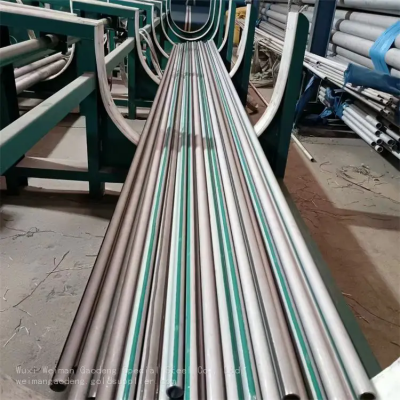 Titanium Seamless Tube Gr7/TA9 10-150mm OD Pressure-Resistant Chinese Production Plant Oil Drilling SystemsNegotiableMOQ: 100 KilogramsMaterial: Other, TitaniumShape: TubeColor: SilverWuxi Weiman Gaodeng Special Steel Co., Ltd.
 1 Yr
1 Yr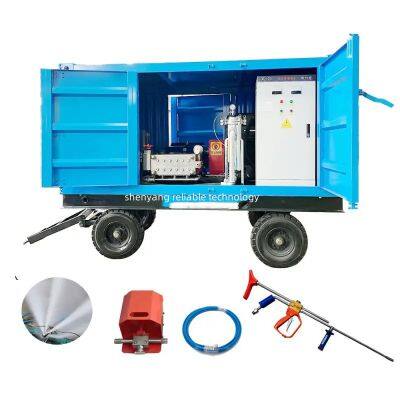 1500bar Industrial Power Plant Oil Cooler, Heat Network Heater, Rust Paint Removal, Ultra High Pressure CleanerUS$ 11000.00MOQ: 1 SetCertification: CEmachine type: HIGH PRESSURE CLEANERcondition: Newplace of origin: shenyang, ChinaShenyang Reliable Technology Co., Ltd.
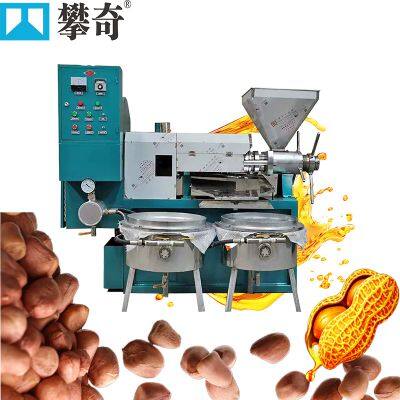 Cold & Hot Screw Oil Press Peanut Oil Press Oil Expeller Oil Machine Oil Equipment Oil Making Plant Sesame Oil PressUS$ 1317 - 1317MOQ: 1 Setusage: Peanut Oilbrand name: Panqiplace of origin: Henan, Chinaautomatic grade: AutomaticHenan Panqi Heavy Industry Technology Co., Ltd.
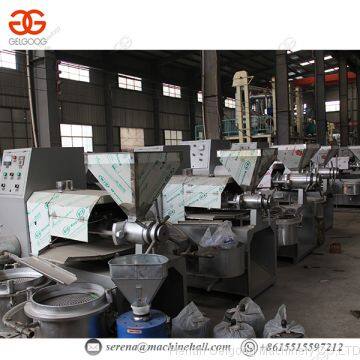 Hot Sale Multi-functional Oil Extraction Plant/home Olive Auto Oil Press MachineNegotiableMOQ: 1 SetBrand Name: GELGOOGPlace of Origin: ChinaModel Number: GGYL-60AType: Other, JuicerHenan Gelgoog Machinery CO,LTD
 Oil Injected Rotary Screw Air Compressor 11kw 15kw 22kw 37kw 55kw 75kw for Power Plant With CE CertificateUS$ 390 - 450MOQ: 1 UnitBrand Name: shunchiPlace of Origin: ChinaModel Number: SC-ACBS30Certification: CEDongguan Shun Chi Mechanical And Electrical Equipment Co. , Ltd.
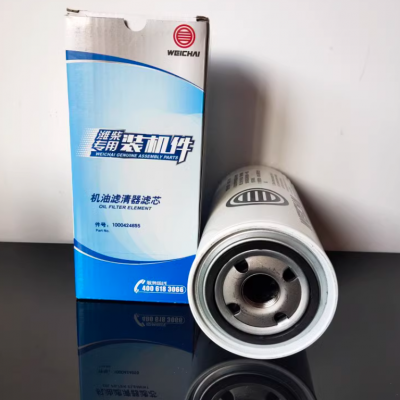 Weichai Special Engine Oil Filter Element 1000424655/61000070005 New Condition Original Factory Authentic Manufacturing PlantUS$ 4.50 - 5.00MOQ: 1 UnitWarranty: 3 MonthsVideo outgoing-inspection: ProvidedMachinery Test Report: ProvidedJining Pinbo Import And Export Co.,ltd.
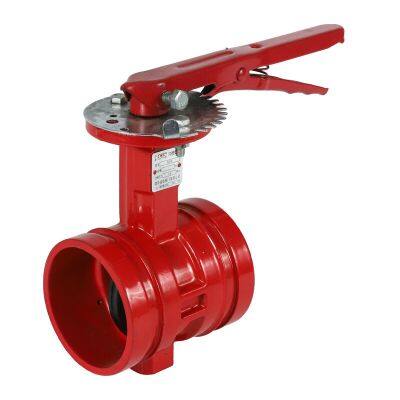 Industrial ANSI Grooved Butterfly Valve for Oil, Gas, Chemical, and Power Plant Cooling SystemsNegotiableMOQ: 1 PieceApplication: Industrial Usage, Water Industrial UsageConnection Form: Other, ANSI Grooved End butterfly ValveChengxin Valve Co., Ltd.
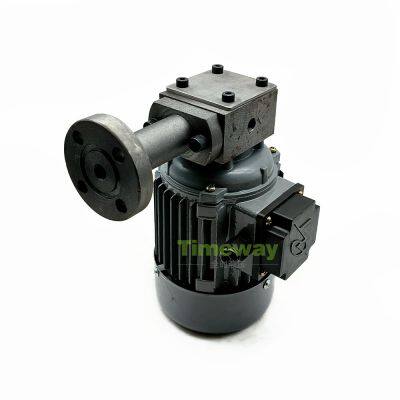 ZCB Cycloid Reducer Lubrication Rotary Oil Pump Motor ZCB-0.8 Rotor Oil Pump Power Plant Asynchronous Motor Power 380V 40W 50HZUS$ 350.63 - 596.08MOQ: 1 UnitWarranty: 6 Month, 6-12 MonthsDisplacement: OtherHS Electrical Technology Co,LTD
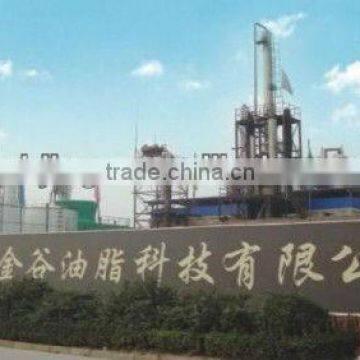 Additive Made of Natural Plant OilUS$ 1,240 - 1,370MOQ: 1 Metric TonCAS No.: 627-91-8Other Names: FAMEMF: C19H36O2EINECS No.: 211-019-0Hebei Jingu Plasticizer Co., Ltd.
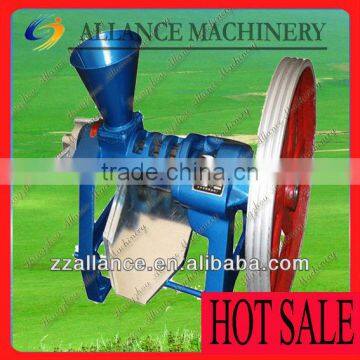 Factory Price Offer Plant Oil Extraction MachineUS$ 1,000 - 4,000MOQ: 1 SetCondition: NewUsage: Other, all kinds of seed oilType: Other, Cold & Hot Pressing Machine, plant oil extraction machineAutomatic Grade: AutomaticZhengzhou Allance Trading Co., Ltd.
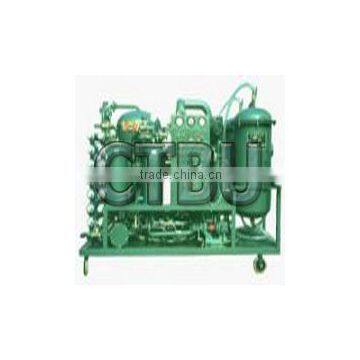 Best Quality Recycling Plant Oil MachineUS$ 5,000 - 900,000MOQ: 1 SetPlace of Origin: Chongqing, ChinaBrand Name: CTBUApplication: Automotive LubricantSpecification: SAEChongqing Technology And Business University S&T Developing Ltd.
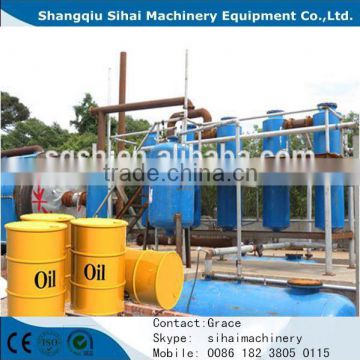 Oil Recycling Plant Oil Purifier to Clean/transparent/yellow Oil DistillationUS$ 40,000 - 90,000MOQ: 1 SetCondition: NewFlow: DependsWorking Pressure: Negative pressurePlace of Origin: Henan, ChinaShangqiu Sihai Machinery Equipment Manufacturing Co., Ltd.
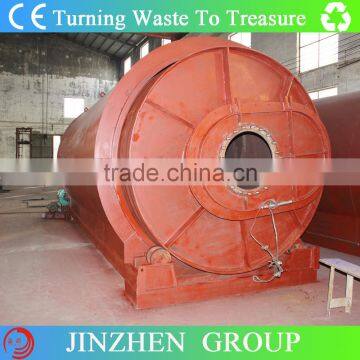 High Profit Plant on Processing of Car Tires and Plastic Plant Oil ExtractorUS$ 20,000 - 50,000MOQ: 1 SetPlace of Origin: Henan, ChinaBrand Name: JINZHENModel Number: JZ-10TCondition: NewXinxiang City Jinzhen Machinery Manufacturing Co., Ltd.
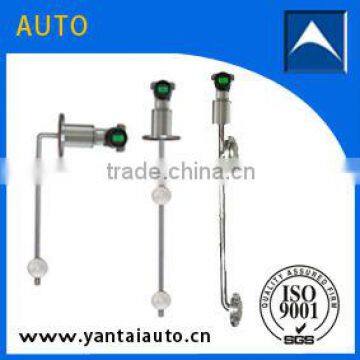 Smart MD-3051 Online Density Meter With ISO9001:2000 With the Plant Oil Industry With 4-20mAUS$ 2,380 - 2,500MOQ: 1 UnitPlace of Origin: Shandong, ChinaBrand Name: AUTOModel Number: MD-3051Yantai AUTO Instrument Precision Casting Co., Ltd.
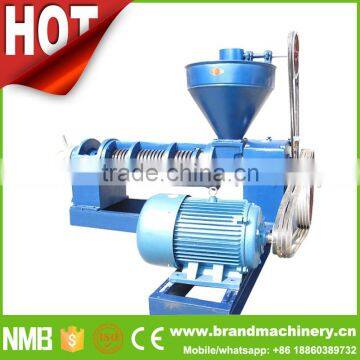 Oil Press Machine/vegetable Oil Extractor, Oil Press Machine/Plant Oil Extractor, Oil Press Machine/olive Oil ExtractorUS$ 1,600 - 2,300MOQ: 1 SetCondition: NewUsage: Sunflower OilType: Other, Cold & Hot Pressing Machine, screw typeAutomatic Grade: AutomaticHenan Name Brand Machinery Co., Ltd.
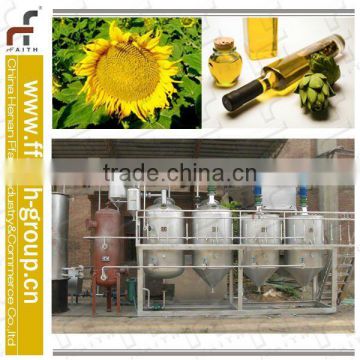 Sunflower Oil Production PlantUS$ 20,000 - 50,000MOQ: 1 SetCondition: NewAutomatic Grade: AutomaticPlace of Origin: Henan, ChinaBrand Name: ffaith-groupHenan Ffaith Industry & Commerce Co., Ltd.
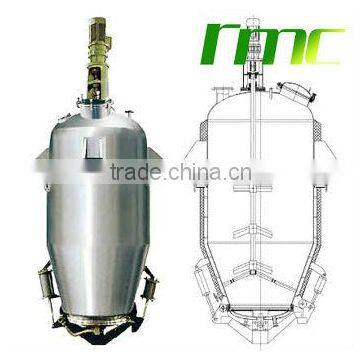 Plants Perfume Oil ExtractorUS$ 13,000 - 100,000MOQ: 1 SetPlace of Origin: Jiangsu, ChinaBrand Name: RMCApplication: LiquidType: Other, Extracting machineJingjiang Rameco Imp.& Exp. Co., Ltd.
 Peanut Oil Filling Machine/oil Manufacturing PlantUS$ 30,000 - 45,000MOQ: 1 SetCondition: NewApplication: BeveragePackaging Type: OtherPackaging Material: WoodJiangsu King Wan Machinery Co., Ltd.
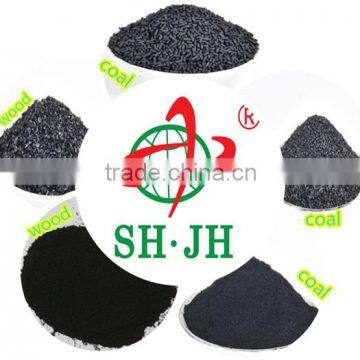 Edible Oil Refinery Plant & Activated Carbon PlantUS$ 1,500 - 2,122MOQ: 1 Metric TonCAS No.: 64365-11-3Other Names: Activated CarbonMF: CEINECS No.: 264-846--4Shanghai Jinhu Activated Carbon Co., Ltd.
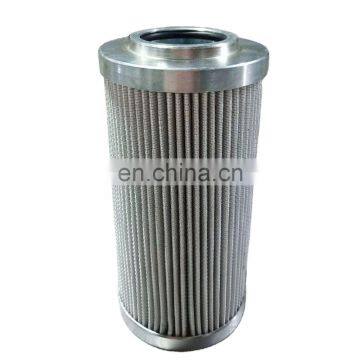 Power Plant Hydraulic Oil Filter Element 936712QUS$ 15 - 20MOQ: 10 PiecesBrand Name: weiruiouPlace of Origin: Hebei, ChinaCertification: ISO9001Gu\'an County Weiruiou Filter & Pufification Equipment Co., Ltd.
 DYJC Series Online Purification PLant for Turbine OilNegotiableMOQ: 1 PieceBrand Name: GoldPlace of Origin: ChinaModel Number: DYJCChongqing Gold Mechanical & Electrical Equipment Co.,Ltd
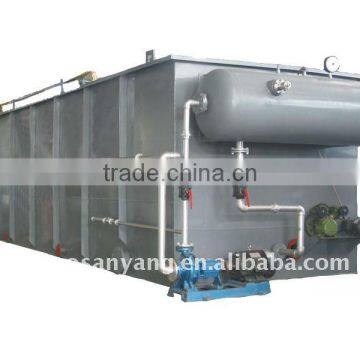 Industrial Sewage Treatment Plant for Oil and Water SeparatorUS$ 28,000 - 156,000MOQ: 1 SetPlace of Origin: Shandong, ChinaBrand Name: jinhaosanyangModel Number: RQFShandong Jinhaosanyang Environmental Protection Machine Co., Ltd.
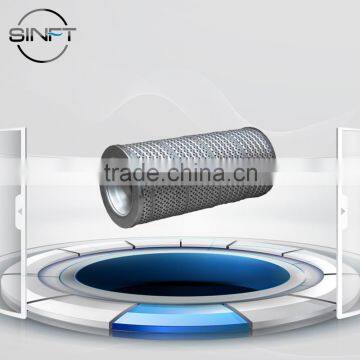 Sinft Hepa Gas Oil Separation PlantUS$ 30 - 99MOQ: 1 PiecePlace of Origin: Hebei, ChinaBrand Name: gas oil separation plant for SinftModel Number: Sinft gas oil separation plantAfter-sales Service Provided: Engineers available to service machinery overseasHebei Sinft Filter Co., Ltd.
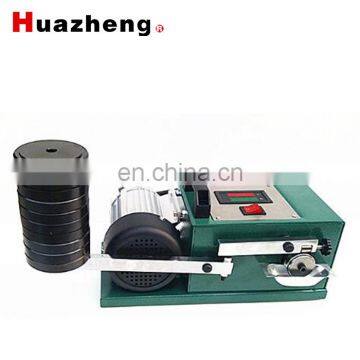 Lubricating Oil Anti-wear Tester, Lubricant Oil Temperature Analyzer, Oil Abrasion Test PlantUS$ 299 - 999MOQ: 1 PieceBrand Name: HuaZhengPlace of Origin: Hebei, ChinaModel Number: HZKM-1Power: ElectronicHuazheng Electric Manufacturing (baoding) Co., Ltd.
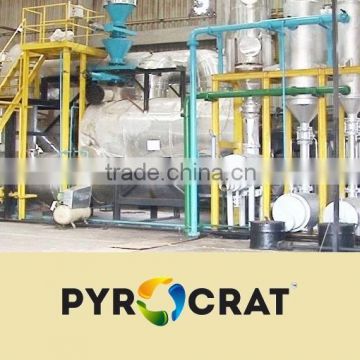 Plastic To Oil Pyrolysis Plant (Continuous Type - 3TPD to 24 TPDUS$ 298,000 - 1,344,000MOQ: 1 PlantPlace of Origin: Maharashtra, IndiaBrand Name: Pyrocrat Systems LLPModel Number: PSL900TPA to PSL7200TPDType: Other, Plastic to Oil Pyrolysis PlantPyrocrat Systems Llp
 Procurement Specialist submitted an RFQ for Supply Power Plant PALL oil filter element HC9020FKS4H2025-12-10 07:13:31
 Verified Buyer verified certifications for Plant Oil Filling Machine2025-12-13 07:32:01
 Sourcing Manager is sourcing Waste drilling oil sludge/oil sludge mud/cial tar treatment Machine Pyrolysis Plant in Nigeria Malaysia2025-12-10 23:38:45
 Procurement Specialist requested specs for ZSA Waste Engine Oil Recycling Plant2025-12-10 05:59:26
 Sourcing Agent negotiating terms for high quality groundnut peanut oil refinery/refining production,sunflower/soybean/cottonseed oil solvent extraction plant2025-12-12 06:39:52
 Buyer submitted an RFQ for ST110 Lovibond colorimeter2025-12-13 05:32:09
 Sourcing Agent submitted an RFQ for Unqualified Turbine Oil Filtration System Machine/Emulsified Turbine Oil Recycling Plant/Oil-Water Separator Filter Plant2025-12-10 20:07:02
 Sourcing Manager inquired about DP602EA03V Slash W UTERS Industrial Power Plant Oil Pump Inlet Filter Element2025-12-11 09:56:24
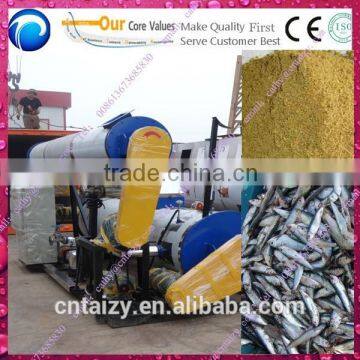 Factory Selling Use Fish Waste to Make Fish Meal and Oil PlantUS$ 1 - 20,000MOQ: 1 SetCondition: NewPlace of Origin: Henan, ChinaBrand Name: TZModel Number: TZ-1Zhengzhou Taizy Trading Co., Ltd.
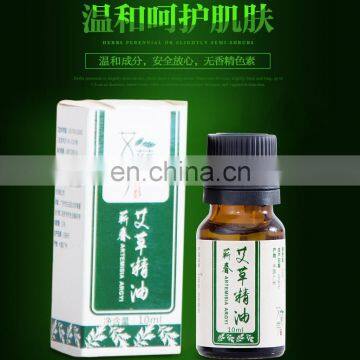 Chinese Plant Herbal Argy Wormwood Leaf Essential Oil 20ml Moxa Moxibustion Scraping OilUS$ 0.5 - 5MOQ: 50 SetsBrand Name: OEMPlace of Origin: Hubei, ChinaType: Compound Essential OilCertification: CE, EEC, FDA, GMPDodge Auto Parts Fuel Injector Trade Co., Ltd.
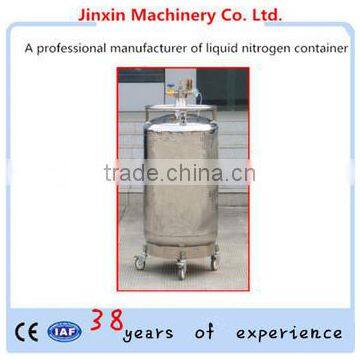 YDZ-200 Cryogenic Tank/container Tyre Recycle Oil Plant With Low PriceUS$ 2,399 - 2,499MOQ: 1 PieceBrand Name: JXModel Number: YDZ-200Place of Origin: Henan, ChinaXinxiang Jinxin Import And Export Machinery Co., Ltd.
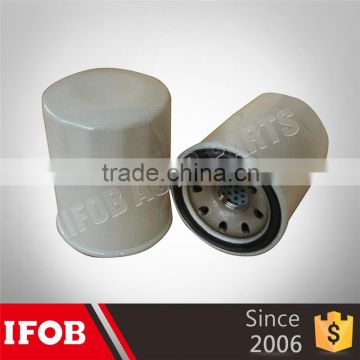 Ifob High Quality Auto Parts Manufacturer Oil Filter Plant For R50 15208-31U00US$ 0.1 - 10MOQ: 100 UnitsType: Oil FilterSize: StandardCar Make: For R50 15208-31U00OE NO.: 15208-31U00Guangdong IFOB Automobile Technology Co., Ltd.
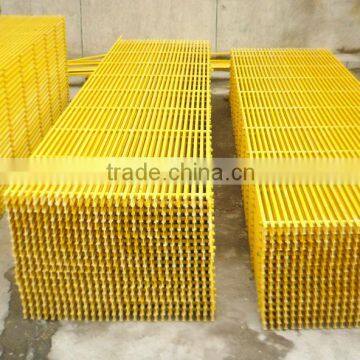 FRP Drain Grating Fiberglass Trench Cover Grating, Popular for Chemical Factory, Oil&gas Plant UsingUS$ 2.8 - 5MOQ: 500 MilligramsPlace of Origin: Henan, ChinaBrand Name: yalong frp drain gratingModel Number: frp drain gratingApplication: trench cover, roadway, sideway, factoryZhengzhou Yalong Pultrex Composite Materials Co., Ltd.
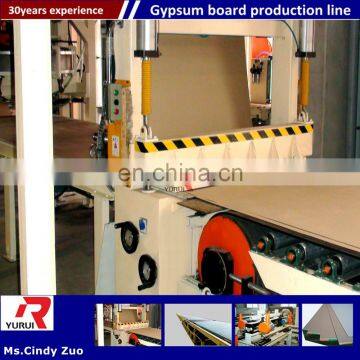 Gypsum Board Production Line With Knauf Technology Save Cost/Gypsum Plaster Board Plant Line(thermal Oil Drying/hot Air Drying)US$ 350,000 - 3,500,000MOQ: 1 SetBrand Name: YuruiPlace of Origin: Shandong, ChinaModel Number: YR-GBD gypsum board manufacturers plantAfter-sales Service Provided: Engineers available to service machinery overseasShandong Yunhui International Trade Co., Ltd.
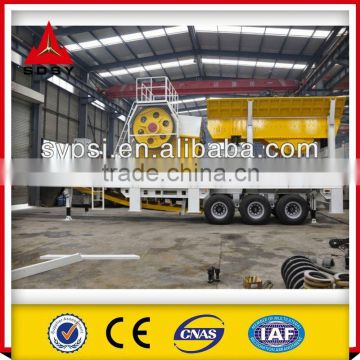 Tire Mobile Oil Seed Crushing PlantUS$ 2,000 - 100,000MOQ: 1 SetCondition: NewType: Jaw CrusherApplication: mining, constructionMotor Type: AC MotorShandong Chengming Construction Machinery Co., Ltd.
 5 Yrs
5 Yrs